

What are the specifications of stainless steel mesh?
The mesh size refers to the number of mesh holes per square centimeter (cm2) of wire mesh.
The unit used to express mesh size in screen product specifications is hole/centimeter or line/centimeter. In countries and regions using imperial units of measurement, the mesh count is expressed in holes/inches or lines/inches.
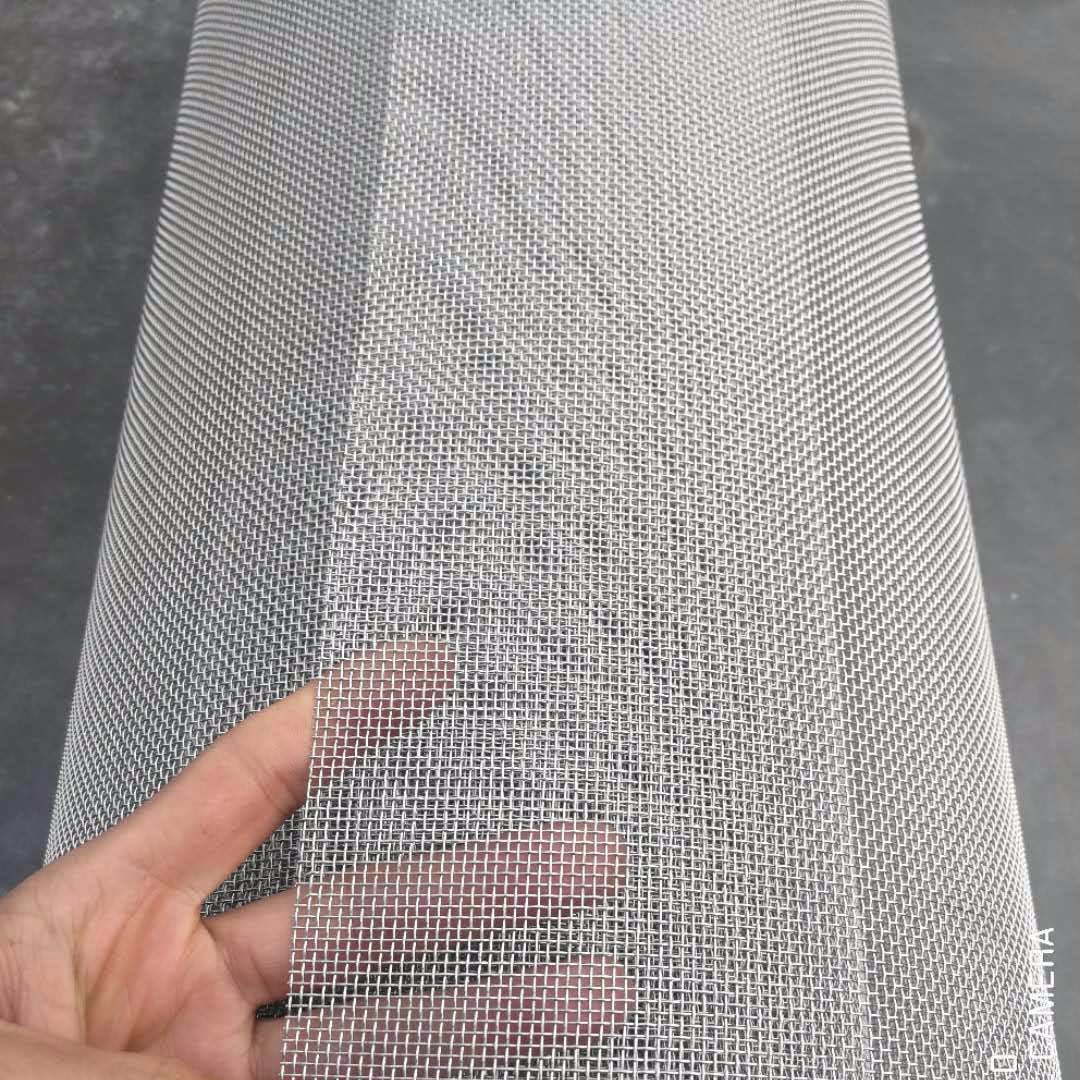
The mesh size can generally indicate the degree of density between the threads of a silk screen. The higher the mesh size, the denser the wire mesh, and the smaller the mesh size. On the contrary, the lower the mesh size, the sparser the mesh, and the larger the mesh size, such as 150 mesh/inch, which means there are 150 mesh wires within 1 inch. The smaller the mesh, the poorer the ink passability, while the larger the mesh, the better the ink passability. When selecting silk screens, different mesh sizes can be selected based on the accuracy requirements of the printing.
Industrial fabrics woven from raw materials such as wire mesh or synthetic fibers, with uniform and stable breathable pores on the surface, and with screening and filtering functions.
The mesh of a sieve is traditionally called a mesh. The specifications of a sieve are often expressed in terms of the number of holes (mesh) per unit length, or the width of each hole.
The national standard in China is represented by the number of holes per centimeter, such as 20 holes per centimeter. Screens are divided into three categories based on the raw materials used: silk screens, metal wire screens, and synthetic fiber screens.



Please send us a message >