

What is a filter mesh?Introduction to Usage and Materials

Introduction
As we delve into the world of filtration systems, one term that frequently emerges is "filter mesh." But what exactly is a filter mesh and how does it play a crucial role in various industries? In this detailed article, we will unravel the enigma of filter mesh, understanding its significance, applications, and characteristics.
What is a Filter Mesh?
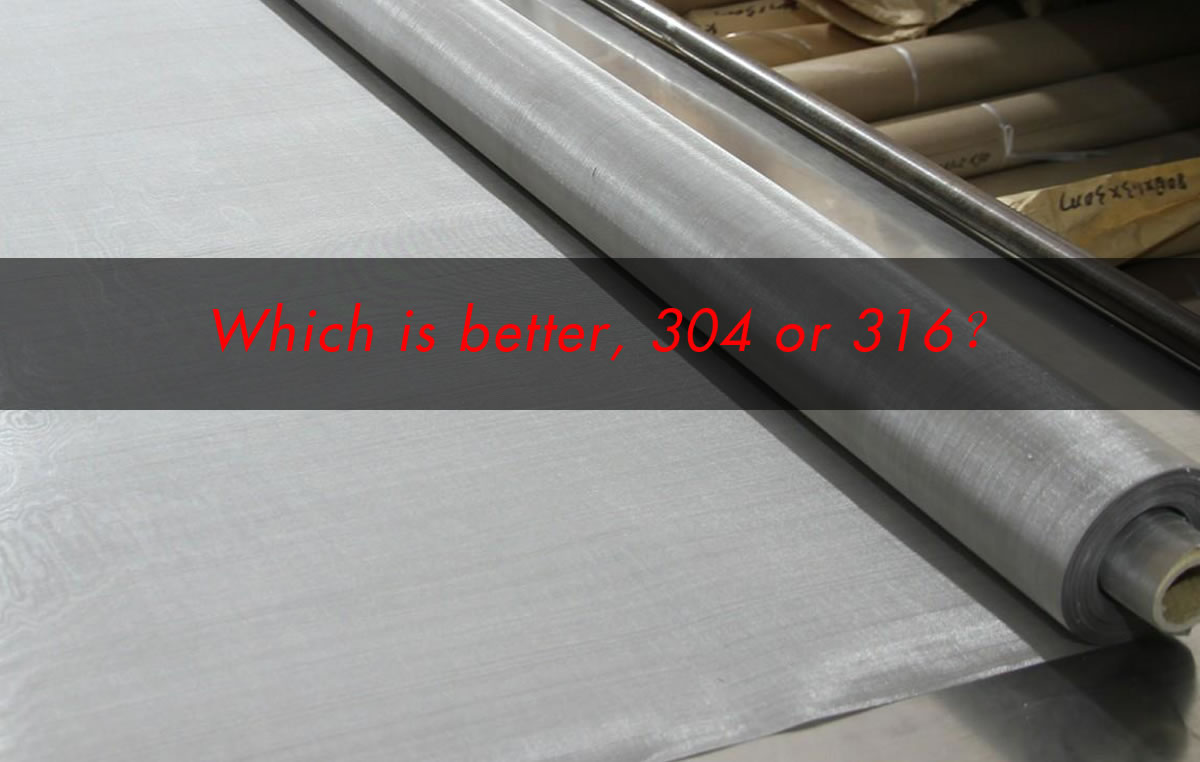
A filter mesh is a woven metal or plastic screen that acts as a sieve, allowing liquid or gas to pass through while capturing solid particles. The mesh consists of interwoven wires or threads with precise openings that determine the size of particles it can retain. Common materials used for filter mesh include stainless steel, brass, nylon, and polyester.
Components of a Filter Mesh
The primary components of a filter mesh include:
Mesh Size: Refers to the number of openings per linear inch.
Wire Diameter: Determines the strength and filtration capacity.
Weave Type: Determines the flow rate and particle retention capability.
Types of Filter Mesh
There are various types of filter meshes available, each designed for specific applications based on particle size requirements and operating conditions. Some common types include:
Plain Weave Mesh: Simplest weave structure with good strength and filtration efficiency.
Twill Weave Mesh: Provides better stability and reduced plugging in high-pressure applications.
Dutch Weave Mesh: Ideal for high precision filtration with excellent strength and durability.
Applications of Filter Mesh
Filter meshes find a wide range of applications across industries due to their versatility and efficiency. Some common applications include:
Water Filtration: Used in water treatment plants, swimming pools, and aquariums.
Pharmaceutical Industry: Ensures purity in drug manufacturing processes.
Food and Beverage Industry: Filters out impurities in liquid and powdered products.
Aerospace and Automotive: Guards critical components from contamination.
Importance of Filter Mesh in Various Industries
"Filter meshes serve as the first line of defense in maintaining product quality and equipment performance across industries."
Factors to Consider When Choosing a Filter Mesh
When selecting a filter mesh for a specific application, several factors need to be considered to ensure optimal performance:
Filtration Efficiency: Matching mesh size to particle size for effective filtration.
Temperature and Chemical Compatibility: Choosing materials that can withstand operating conditions.
Flow Rate: Balancing particle retention with flow rate requirements.
Durability: Selecting a mesh that can withstand frequent cleaning and reuse.
Conclusion
In conclusion, filter mesh plays a pivotal role in various industries by ensuring the purity of liquids and gases and protecting critical components from contamination. Understanding the types, applications, and factors to consider when choosing a filter mesh is essential for maintaining operational efficiency and product quality. By grasping the intricacies of filter mesh, we can appreciate its significance in our daily lives and industrial processes.
"Filter mesh: Where precision meets performance in filtration."
Remember to consult experts in the field to determine the most suitable filter mesh for your specific needs. Stay tuned for more insightful articles on industrial essentials and emerging technologies.


Please send us a message >